No products in the cart.
Return To ShopWe ship globally.
We have special channel shipping
on many brands for guaranteed delivery.
Ask us on [email protected]

All peptides on this site are for research purposes only; not for human consumption
All peptides on this site are for research purposes only; not for human consumption

Why 99% purity HGH matters ?
Most sellers offer only 97% or 95% grade hgh. We offer only 99% purity
When evaluating Human Growth Hormone (HGH / Somatropin), the difference between 99% purity and 95% or 97% purity is not just a nominal variance in strength; it is a critical safety and immunogenicity threshold.
Because HGH is a massive, 191-amino-acid complex protein produced via recombinant DNA technology (usually utilizing E. coli or yeast bacteria), the remaining 1% to 5% of “impurities” can carry severe physiological consequences.
Here is why those small percentage gaps matter profoundly.
- Bacterial Host Cell Proteins (HCPs) and Toxicity
Recombinant HGH is synthesized inside host organisms like E. coli. When the HGH is harvested, it must be meticulously separated from the bacteria’s own biological matter. [1, 2]
- At 95% to 97% purity: Up to 3% to 5% of the vial consists of bacterial debris, residual synthesis solvents, and host cell proteins. Injecting these foreign bacterial proteins can trigger an immediate acute immune reaction, systemic inflammation, injection-site swelling, and flu-like symptoms.
- At 99%+ purity: The product reaches pharmaceutical-grade quality. Host cell proteins and contaminants are reduced to negligible fractions (often less than 0.1% individual impurity loads), vastly improving tolerability.
- The Danger of HGH Dimers and Aggregates
Impurities in peptide manufacturing frequently consist of “deletion sequences” or structural anomalies where the protein misfolds or aggregates. A primary culprit in lower-purity HGH is the formation of HGH dimers (where two HGH molecules fuse together abnormally) and higher molecular weight polymers.
- Misformed structural aggregates act as a massive red flag to your immune system.
- If your body detects these abnormal aggregates, it may launch an immune response and begin forming neutralizing anti-HGH antibodies.
- Immunogenicity and Deactivation of Natural HGH
The formation of anti-HGH antibodies due to a low-purity, aggregate-heavy product is highly problematic. These antibodies do not just neutralize the synthetic HGH you inject; they can cross-react and bind to the naturally occurring HGH your own pituitary gland produces. This can lead to a state of systemic growth hormone resistance, rendering both endogenous and exogenous HGH ineffective.
- Bioactivity vs. HPLC Purity
Standard purity tests use HPLC (High-Performance Liquid Chromatography), which measures the percentage of UV-absorbing material belonging to the main peak. However, standard HPLC cannot always determine if a protein is correctly folded or biologically active.
- Lower-purity batches (95%–97%) generally signal erratic, unoptimized manufacturing environments. This heavily increases the likelihood of truncated fragments, oxidized sequences, and completely denatured (biologically inert) protein strands.
- A 99% purity profile ensures batch-to-batch consistency, predictable metabolic behavior, and full potency.O
Related products
Sale
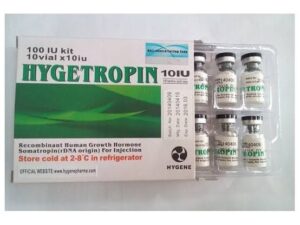
Hygetropin- 99% 10iu x 10
Original price was: $130.00USD.$100.00USDCurrent price is: $100.00USD. Add to cartSale
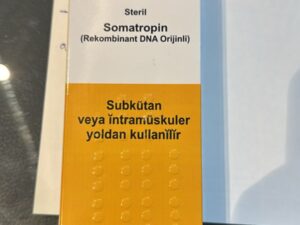
HGH Lilly Humatrope Pen 72iu
Original price was: $400.00USD.$249.00USDCurrent price is: $249.00USD. Add to cartSale
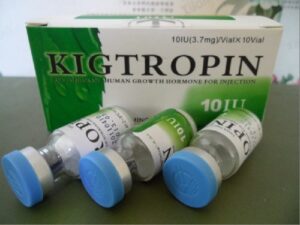
Kigtropin HGH 99% 10iu x 10
Original price was: $130.00USD.$100.00USDCurrent price is: $100.00USD. Add to cartSale
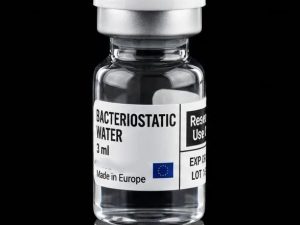
Bacteriostatic Water for Injection 10 bottles x 3ml – 30ml total
Original price was: $40.00USD.$30.00USDCurrent price is: $30.00USD. Add to cartSale