No products in the cart.
Return To ShopWe ship globally.
We have special channel shipping
on many brands for guaranteed delivery.
Ask us on [email protected]

All peptides on this site are for research purposes only; not for human consumption
All peptides on this site are for research purposes only; not for human consumption
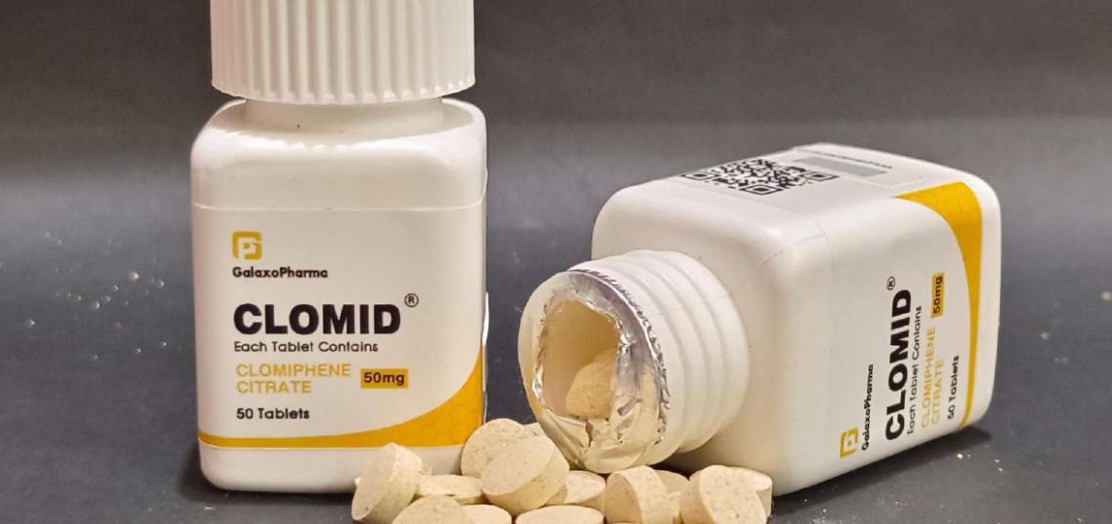
Clomid (clomiphene citrate) is not an anabolic steroid. Instead, it is a prescription medication belonging to a class of drugs known as Selective Estrogen Receptor Modulators (SERMs).
In bodybuilding and performance-enhancing drug (PED) communities, Clomid is primarily used for Post-Cycle Therapy (PCT). When an individual uses anabolic steroids, the body’s natural testosterone production is suppressed through the disruption of the hypothalamic-pituitary-gonadal (HPG) axis. Once the steroid cycle ends, users often experience severe hormonal crashes
How Clomid Works in Post-Cycle Therapy (PCT)
- Blocks Estrogen Signals: Clomid binds to estrogen receptors in the hypothalamus, tricking the brain into thinking that estrogen levels are dangerously low.
- Stimulates Natural Hormones: In response, the pituitary gland releases higher levels of Luteinizing Hormone (LH) and Follicle-Stimulating Hormone (FSH).
- Restores Testosterone: Increased LH signals the testes to kickstart the endogenous synthesis of natural testosterone and sperm
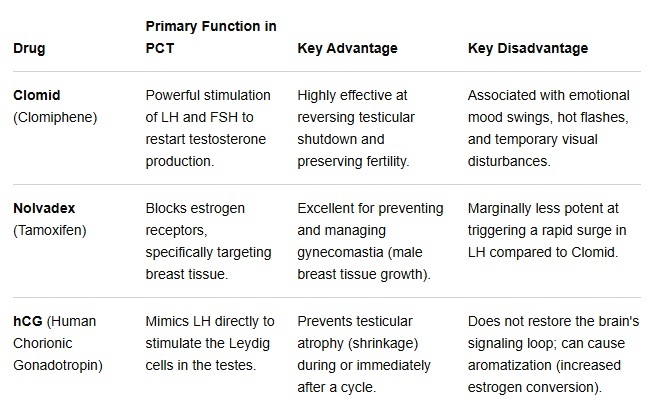
Common PCT Protocols & Comparisons – see table attached
Risks and Side Effects
While Clomid is effective at restoring hormonal baseline markers, it carries distinct clinical risks when used outside of its intended purpose:
- Emotional Fluctuation: Due to its impact on estrogen receptors in the brain, it can cause severe mood swings, anxiety, and depression
Dosage
- TakevClomid consistently at the same time daily maximizes testosterone production.
- Morning dosing typically provides better energy levels and fewer sleep disruptions.
- Most men see optimal results with 25-50mg every other day rather than daily dosing.
- Timing Clomid with or without food does not affect absorption but may reduce nausea.

Related products
Sale

International – PureTrig HCG 5000iu x 1 bottle
Original price was: $49.00USD.$39.00USDCurrent price is: $39.00USD. Add to cartSale

Anstro fit 1mg – 100 tablets
Original price was: $99.00USD.$79.00USDCurrent price is: $79.00USD. Add to cartSale

Aromasin (Exemestane) 12.5mg x 60 pills
Original price was: $249.00USD.$149.00USDCurrent price is: $149.00USD. Add to cartSale

Cipla Fertomid (Clomid) 50mg x 50
Original price was: $89.00USD.$79.00USDCurrent price is: $79.00USD. Add to cartSale
Mesterlone (provironum) 25mg x 60 pills
Original price was: $239.00USD.$189.00USDCurrent price is: $189.00USD. Add to cartSale
Arimidex 1mg x 60 pills
Original price was: $189.00USD.$149.00USDCurrent price is: $149.00USD. Add to cartSale

Deca Max Pro Series 500mg – 20ml
Original price was: $109.00USD.$99.00USDCurrent price is: $99.00USD. Add to cartSale

Cipla Fempro (Letrozole) x 30
Original price was: $79.00USD.$59.00USDCurrent price is: $59.00USD. Add to cartSale

TAMILONG 20mg – 100 tablets
Original price was: $89.00USD.$79.00USDCurrent price is: $79.00USD. Add to cartSale
